
Description
Reduces the target's attack speed for a duration. Patch 17.1 renamed this keyword from "Chill"; it does not affect movement speed.
Listed in: Debuffs
Items (2)
-
- +200 HP
- +20 Armor
Enemies who damage the holder are 20% Chilled for 1.5 seconds. After 7 Chills from this item, the attacker is Stunned instead (Cooldown: 15 seconds). [Unique - only 1 per champion] Chill: reduce Attack Speed Stun: cannot move, attack, or cast Abilities
-
- +65% AS
Shrinks the holder, granting them increased movement speed and immunity to Slow, Burn, and Wound.


Champions (2)
-
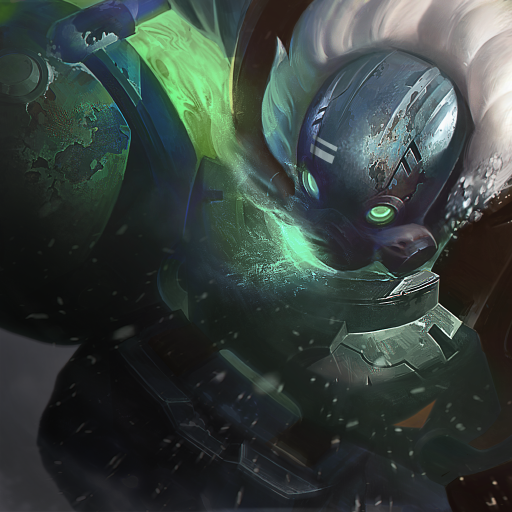
Chemical Rage Heal over 2 seconds. Then, deal magic damage to target and enemies adjacent to them and 30% Chill them for 2 seconds.
- Slow
- Slow: Reduce Attack Speed
-
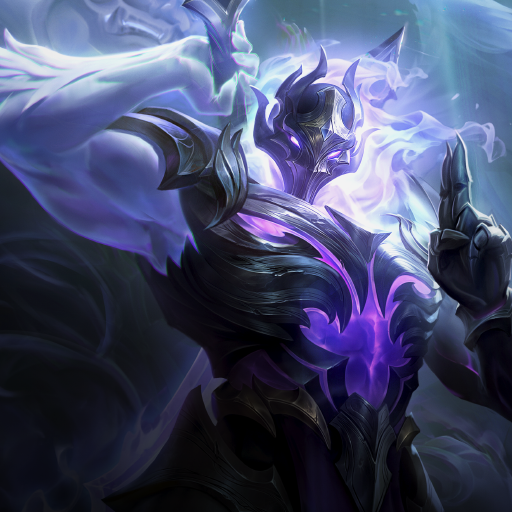
Reality Tear Passive: On cast, attacks gain stacking bonus magic damage. Starting from the third cast, gain true damage instead. Active: Gain 200 / 250 / 3456 Shield for 3 seconds, then slice open a rift on the largest group of champions dealing the Passive's bonus damage to all enemies within. Enemies have their Attack Speed slowed by 50 / 50 / 99% while allies within gain 80 / 80 / 999% Attack Speed, both rapidly decaying over 3 seconds. Shen always gains his rift's full bonus for this duration.




Frequently asked questions
-
What does Slow actually do in TFT?
Slow is the standardized keyword for an attack-speed reduction debuff. While slowed, the affected unit's attack speed is cut by a percentage for the duration; the unit can still move, attack, and cast — it just autos less often. Until the patch 17.1 rename, this same effect shipped under the keyword "Chill" — the mechanic was unchanged, only the label moved. The reduction percentage and duration are tuned per source (a typical Set 17 application is around 30%), so don't memorize a single number.
Sources
- TFT Patch 17.1 — Riot ("Attack Speed slows have been renamed from 'Chill' to 'Slow'") (opens in new tab)
- Tip data: Tft chill — League of Legends Wiki ("reduced attack speed for the duration") (opens in new tab)
- Attack Speed (TFT) — League of Legends Wiki (Decreasing Enemy Attack Speed section) (opens in new tab)
-
Wait, isn't "Slow" supposed to be a movement-speed reduction?
In other Riot games and most MOBAs, yes — "slow" defaults to movement speed. In TFT it doesn't. Patch 17.1 explicitly renamed the attack-speed-reduction keyword from "Chill" to "Slow," so a TFT effect that says "Slow" is reducing attacks per second, not how fast the unit walks across hexes. Movement on the TFT board is also a much smaller deal than in summoner's-mode League — units mostly walk to their first target and then auto from there, so even when an effect does dent movement speed it rarely changes the outcome.
-
Does Slow stop a unit from casting its ability?
No. Slow only reduces attack speed; the slowed unit can still move, can still auto-attack (just less often), and can still cast its Special Ability the moment it has enough Mana. The keyword that suppresses casting is Stun, which locks all three actions — movement, attacks, and ability casts — at once. A unit that's slowed but already mana-full will fire its spell on schedule. If your goal is to deny a cast outright, you need a hard disable (Stun, Knock-Up, or Silence), not a Slow.
-
How does Slow rank against Stun and Knock-Up as crowd control?
Slow is the lightest of the three. It only soft-throttles attacks per second and the indirect Mana drip that comes with them; the unit otherwise functions normally. Stun is heavier — it locks movement, autos, and casts together for its duration. Knock-Up sits at the top because it lifts the unit (interrupting whatever it was doing) and applies a stun-equivalent effect for the airborne window on top. Practical takeaway: stack Slow to throttle a hyper-carry's DPS, but reach for Stun or Knock-Up when you need to actually prevent a cast.
-
Does Slow indirectly slow Mana generation too?
Yes — that's the hidden second cost of Slow. Mana ticks per attack (a fixed chunk based on the unit's role: 10 for Marksmen / Fighters / Assassins, 7 for Casters, 5 for Tanks), so when Slow drops attacks per second, the per-attack Mana stops arriving as often. Damage-mana from being hit still flows normally, but for any role that fills its bar primarily by auto-attacking, a Slow stretches the time-to-cast on top of cutting raw DPS. The common "Slow doesn't matter, mana ticks anyway" intuition gets this backwards.
-
If two sources Slow the same unit, do the percentages stack?
Riot has not published the exact per-source math for layering TFT Slows, so treat any precise “two 30% Slows = X%” figure with caution — the in-fight unit tooltip is the only reliable readout of the running reduction. What is dependable is the shape: piling more Slow onto an already-slowed unit gives diminishing marginal returns on the percentage (each new source shaves a smaller slice of what attack speed is left), while each fresh application refreshes that source’s duration window. In practice the duration overlap — keeping a carry throttled for the whole fight — is usually the bigger lever than chasing a higher peak reduction.
-
Does CC Immunity block Slow?
Yes. CC Immunity in TFT is a blanket prevention layer — while it's active, the unit ignores incoming crowd control of every kind, including Slow, Stun, Knock-Up, Silence, Disarm, and other disables. Slow is treated as crowd control, so it's never applied while the immunity window is up; the duration doesn't tick down in the background, it simply fails to land. The catch is timing: most CC-Immune sources are time-windowed (a fixed early-combat duration), so once that window expires, Slows land normally for the rest of the fight.
-
Are "Slow" and "Chill" different things, or the same effect renamed?
Same effect, renamed. Patch 17.1 (Set 17 launch) consolidated the keyword vocabulary — "Chill" became "Slow," "Dazzle" became "Weaken," and the "spells can crit" phrasing collapsed into the new "Precision" keyword. Mechanically nothing changed about how attack-speed reduction is applied or stacked; only the label players see in tooltips moved. Older guides and wiki pages still use "Chill" interchangeably, which is why the two terms keep showing up in community discussion — they describe the same debuff at different points in TFT's history.